What Your Horse's Hooves Are Quietly Doing to Your Dog's Body
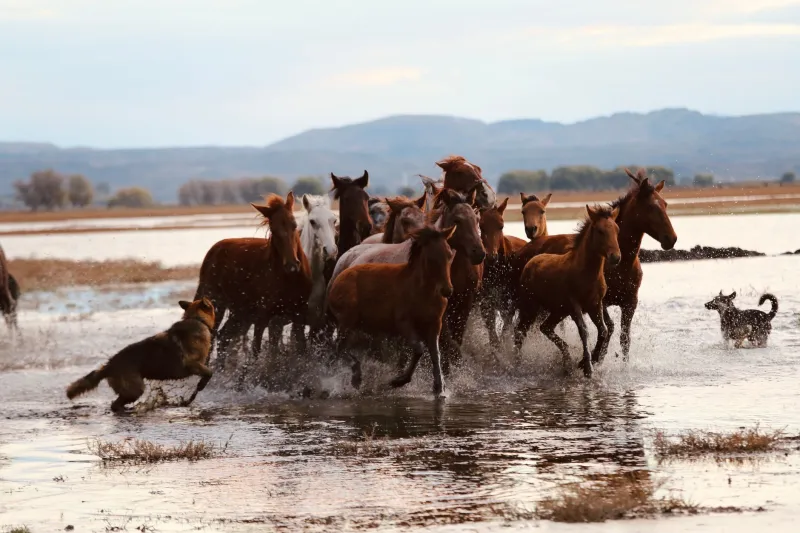
You've probably never stood in the middle of your pasture and thought, my horse is hurting my dog. And honestly, that's a fair reaction — they're different species, they eat different things, they have wildly different builds. But if your dog trots across the same ground your horse has been working for months, there's a good chance the terrain itself has become a low-grade threat to your dog's musculoskeletal health.
This isn't a dramatic claim. It's basic physics meeting biology — and once you see it, you can't unsee it.
The Ground Your Horse Leaves Behind
A mature horse can weigh anywhere from 900 to 1,200 pounds. Every step concentrates that weight into four relatively small hoof surfaces. Over days and weeks, especially in areas around gates, water troughs, and well-traveled paths, that pressure compacts the soil into something closer to concrete. In wetter climates or during rainy seasons, the same spots turn into a lumpy, hardened mess of dried ruts and divots — the kind that freezes solid in January across much of the Midwest and Northeast.
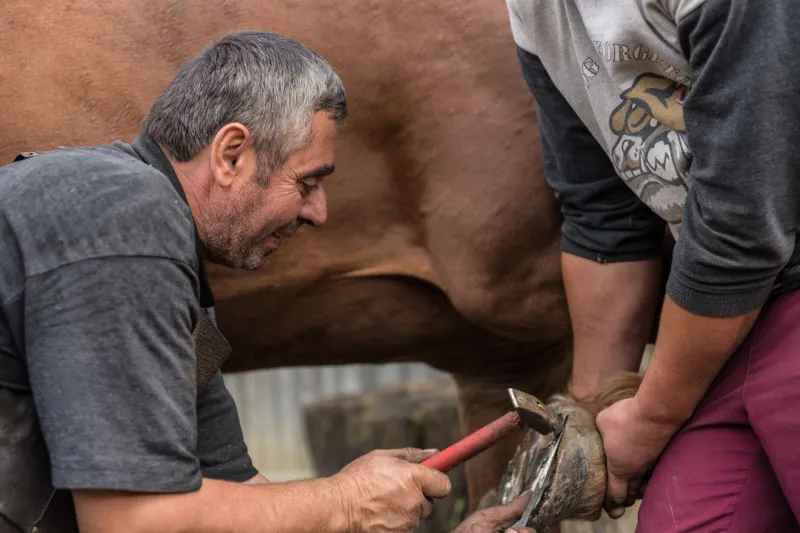
For your horse, this is a known problem. Farriers and equine vets talk about it regularly. But for your dog? That conversation almost never happens.
Here's the issue: dogs are low to the ground and they move constantly. A border collie doing barn chores with you might cover two or three miles in a single morning, much of it across that same compacted, uneven terrain. Every time a paw lands in a frozen rut or on an angled ridge of dried mud, the joints in that leg absorb a micro-stress. One morning, no problem. A thousand mornings? That adds up.
What Joint Stress Actually Looks Like in Dogs
The tricky part is that dogs are stoic creatures. A dog with early joint discomfort doesn't limp dramatically and sit down — they just slow down a little. They're a little less eager to jump into the truck. They take the long way around a rough patch instead of charging through it. Most owners chalk it up to age or a bad night's sleep.
Watch specifically for:
- Hesitation on uneven surfaces — if your dog used to bound across the pasture and now picks their way more carefully, that's worth noting
- Favoring one side — subtle weight shifts after a long morning outside can signal joint fatigue
- Stiffness after rest — a dog that warms up slowly after lying down, especially in cold weather, may be dealing with more than normal aging
- Reluctance around the barn area specifically — if your dog avoids the worst terrain zones, they're telling you something
Larger breeds and working dogs — Labs, Australian Shepherds, German Shepherds — are particularly vulnerable because they're already predisposed to hip and joint issues. Adding rough terrain to that mix is like running a marathon in bad shoes every single day.
Mapping the Problem Areas on Your Property
Before you can fix anything, you need to actually walk your property with your dog's body in mind, not just your horse's. Grab a coffee and do a slow lap around your most-used areas. You're looking for:
High-traffic compaction zones — anywhere your horse spends a lot of time standing or turning. Around feeders, gates, and barn entrances are usually the worst offenders.
Dried rut fields — areas that got churned up during wet season and then baked hard. These are ankle-twisting terrain for dogs (and people).
Gravel transitions — if you've added gravel to manage mud in certain areas, check the edges. Loose, sharp gravel on a hard base can be rough on paw pads and force awkward gait adjustments.
Slope erosion — horse traffic on slopes accelerates erosion, creating uneven step-downs that dogs navigate multiple times a day.
Practical Fixes That Help Both Species
The good news is that most of the things you'd do to improve footing for your horse also benefit your dog. You're not managing two separate problems — you're managing the same piece of ground.
Add footing material to compacted zones. Decomposed granite, pea gravel, or rubber mats around high-traffic areas give both animals a more forgiving surface. Rubber pavers near barn entrances are especially effective — easy on your horse's hooves and kind to your dog's joints.
Rotate your horse's turnout areas. This is standard pasture management advice for soil health and parasite control, but it also gives heavily trafficked zones time to recover. Less compaction means better footing for everyone.
Fill and level dried ruts before they harden. After wet spells, rake or drag problem areas before the ground sets. A few minutes of work in the right window saves you a much bigger project — and a much rougher surface — later.
Create a dedicated dog path. If your dog follows a consistent route around the property, consider that a trail worth maintaining. A simple wood chip or packed sand path keeps them off the worst terrain without restricting their movement.
Manage the freeze-thaw cycle. In cold-weather states, the freeze-thaw cycle turns bad terrain into truly treacherous terrain. Adding footing material before the first hard freeze pays dividends all winter.
Supporting Your Dog From the Inside Out
Terrain management helps, but it's not the whole picture. If your dog has been navigating rough ground for a while, their joints may already be working harder than they should. Talk to your vet about joint support supplements — glucosamine and omega-3 fatty acids are well-researched options for dogs with active lifestyles. Quality matters here, so look for products with transparent sourcing and appropriate dosing for your dog's weight.
Regular hands-on checks also go a long way. Run your hands along your dog's legs after a long day outside. Feel for heat, swelling, or sensitivity around the joints. Catching inflammation early is always cheaper and easier than managing chronic joint disease.
The Bigger Picture
Living with horses and dogs on the same property is one of the great joys of rural life — but it comes with a responsibility to see your land through both sets of eyes. Or rather, through all twelve legs. The terrain your horse shapes over time becomes the terrain your dog lives in every single day. A little awareness and some targeted maintenance can make that shared ground genuinely safe for both of them.
Your dog isn't going to tell you the pasture floor is hurting them. But now that you know what to look for, you don't need them to.