Not All Supplements Are Created Equal: What Horses and Dogs Actually Need in the Bowl
Walk into any feed store in America and you'll find an entire wall dedicated to supplements. Joint support. Coat enhancers. Calming blends. Digestive aids. The labels are bold, the promises are bigger, and the price tags can make your eyes water. Whether you're managing a barn full of horses or just trying to keep your ranch dog feeling sharp into old age, it's easy to feel like you're one missed supplement away from failing your animals.
Here's the truth: most horses and dogs eating a balanced, quality diet don't need the majority of what's being marketed to them. But some supplements genuinely do move the needle — and knowing the difference could save you a lot of money and, more importantly, protect your animals from products that do more harm than good.
Start With the Diet, Not the Supplement
Before you add anything to the feed bucket, take an honest look at what's already in it. A well-formulated commercial dog food that meets AAFCO standards is designed to be nutritionally complete. That means your healthy adult dog on a quality kibble is probably already getting adequate levels of vitamins A, D, E, B-complex, calcium, and phosphorus.
Horses are a little different. They're large, they're working animals, and their diets vary wildly depending on whether they're grazing quality pasture, eating hay through a dry winter, or performing at high levels. A horse living on mature grass hay in the Southwest is going to have different nutritional gaps than a performance horse in the mid-Atlantic on a mixed feeding program. That variation is exactly where strategic supplementation starts to make sense.
Bottom line: supplement to fill gaps, not to layer nutrients on top of nutrients. Over-supplementation is a real problem. Fat-soluble vitamins like A, D, and E can accumulate to toxic levels. Too much selenium — a common addition in many equine supplements — can cause serious neurological issues. More is not always better.
The Supplements With Real Evidence Behind Them
For Horses
Omega-3 Fatty Acids — Fresh pasture is naturally rich in omega-3s. Hay isn't. If your horse is living on stored forage for a significant portion of the year (which describes most horses in northern and western states during winter), omega-3 supplementation through flaxseed, chia, or fish oil has solid research support for reducing inflammation, improving coat condition, and supporting immune function.
Vitamin E — This one is well-documented. Horses without access to fresh green grass are frequently deficient in vitamin E, and the consequences — muscle weakness, neurological issues, poor immune response — are significant. Natural vitamin E (d-alpha-tocopherol) is better absorbed than synthetic forms. If your horse is off pasture, this is one supplement worth taking seriously.
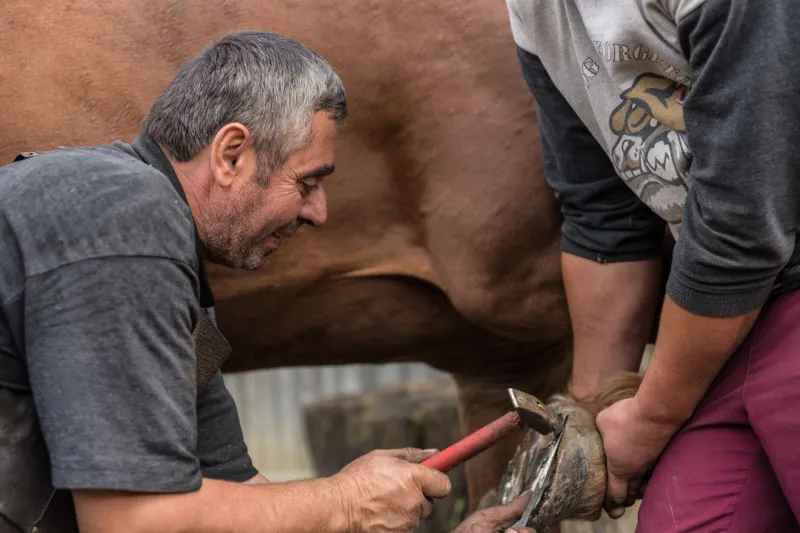
Biotin — If you've got a horse with cracked, slow-growing, or poor-quality hooves, biotin has enough clinical backing to be worth a try. Expect to wait six to nine months before judging results — hoof growth is slow, and patience is required.
Magnesium — Particularly relevant for horses showing signs of insulin dysregulation or for those on lush spring grass that's high in sugar. Magnesium plays a role in glucose metabolism and can help support horses prone to laminitis, though it should always be used alongside veterinary guidance.
For Dogs
Fish Oil (EPA/DHA) — This is the one supplement with the most consistent research support for dogs. Omega-3 fatty acids from fish oil have been shown to reduce inflammation, support joint health, improve coat quality, and may even offer cognitive benefits in aging dogs. Dose matters — look for products that list EPA and DHA content specifically, and follow weight-based dosing guidelines.
Glucosamine and Chondroitin — The evidence here is mixed, but the anecdotal support from dog owners and veterinarians is hard to dismiss entirely. For working dogs, older dogs, or large breeds prone to joint problems, these compounds may offer modest support for cartilage health. They're generally safe, so if your vet agrees it's worth trying, the risk is low.
Probiotics — Gut health is a legitimate area of research in veterinary medicine, and certain probiotic strains have shown promise for dogs dealing with digestive upset, antibiotic recovery, or chronic loose stools. The challenge is product quality — the probiotic market is largely unregulated, so look for brands with third-party testing and documented CFU counts.
Vitamin D — Unlike humans and horses, dogs synthesize very little vitamin D through sun exposure. They rely almost entirely on diet. Dogs on homemade or raw diets are at higher risk of deficiency. If that's your situation, a conversation with your vet about testing and supplementation is warranted.
Red Flags Worth Watching For
Not all supplements are what they claim to be. The pet supplement industry in the US is far less regulated than human pharmaceuticals, which means the burden of quality-checking largely falls on you.
Watch out for:
- Vague ingredient amounts — A label that lists a "proprietary blend" without specifying how much of each ingredient is included is a sign the company may be hiding underdosing.
- Unrealistic claims — If a product promises to "reverse aging," "cure joint disease," or "eliminate anxiety completely," step back. No supplement can legally make disease claims, and those that do are often overreaching.
- No third-party testing — Look for products that have been tested by independent organizations like the National Animal Supplement Council (NASC) or that carry a USP verification mark. These aren't guarantees of efficacy, but they are indicators of quality control.
- Stacking redundancy — If you're already feeding a fortified senior feed and then adding a separate vitamin-mineral supplement, there's a good chance you're doubling up on nutrients unnecessarily.
A Practical Framework Before You Buy
Here's a simple process that'll serve you well whether you're shopping for your mare or your cattle dog:
- Get a diet audit first. Talk to your vet or an equine nutritionist before adding anything. Many land-grant universities in the US offer affordable equine nutrition consultations. For dogs, your vet can run bloodwork to identify actual deficiencies.
- Target one gap at a time. If you identify a specific need — low vitamin E, poor joint mobility, dull coat — address that first before piling on additional products.
- Give it time. Most supplements need at least 60 to 90 days of consistent use before you can fairly evaluate whether they're working. Keep notes on what you observe.
- Reassess seasonally. A horse on summer pasture has different needs than the same horse in January. Supplement programs shouldn't be static.
The Bottom Line
Supplements aren't magic, and they're not a substitute for good feed, clean water, regular veterinary care, and sound management practices. But for the right animal, in the right situation, with the right product — they can absolutely make a real difference.
The goal isn't to spend more. It's to spend smarter. Your horses and dogs are counting on you to cut through the noise, and now you've got a little more to work with.