Two Bodies, One Warning System: What Your Horse's Gait Is Telling You About Your Dog's Joints
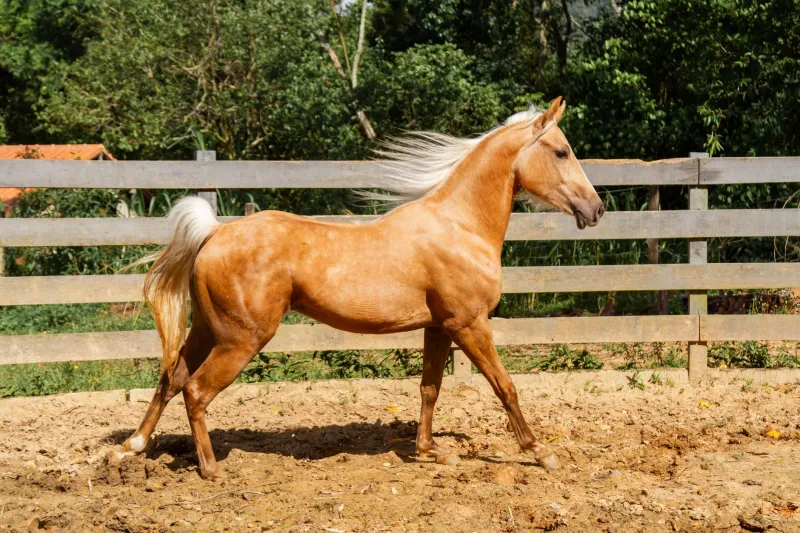
Most horse owners develop a pretty sharp eye over time. You learn to notice the slight hitch in a trot, the way a horse favors one diagonal, or the almost imperceptible shortening of stride that signals something isn't quite right. What you might not realize is that this same observational skill — honed through years of watching a thousand-pound animal navigate a pasture — is one of the most valuable tools you have for catching joint problems in your dog before they get serious.
It sounds like a stretch, but the connection is grounded in real biomechanics. Horses and dogs share more structural similarities than most people think, and understanding what's happening in one species can absolutely inform how you read the other.
The Biomechanical Overlap Nobody Talks About
Horses and dogs are both quadrupeds, meaning they share the same basic four-limbed locomotion framework. Both species load their joints in similar sequences during movement — weight shifts, rotational forces, and compensatory patterns that ripple through the body when one area is compromised. When a horse develops a hind-end lameness, for example, it typically overloads the opposite limb and shifts weight forward onto the front end. Dogs do the exact same thing.
The joints themselves are structurally analogous. A horse's fetlock functions much like a dog's pastern joint. The stifle in a horse mirrors the canine stifle almost directly. Even the way cartilage degrades under repetitive stress follows similar pathways in both species, which is why veterinary research on equine osteoarthritis has historically informed how we treat dogs — and vice versa.
The practical takeaway? If you can read gait abnormalities in a horse, you already have a working mental model for what early joint deterioration looks like in motion. You just need to scale it down and apply it.
What "Off" Actually Looks Like
In horses, early joint issues rarely announce themselves with obvious lameness right out of the gate. More often, you notice things like:
- A reluctance to bend through turns in one direction
- Asymmetry in how the horse tracks up (where hind feet land relative to front foot prints)
- A subtle head bob that only appears at certain gaits
- Stiffness during the first few minutes of movement that gradually works itself out
Those same behavioral and movement signatures exist in dogs, just expressed differently. A dog with developing hip dysplasia or early elbow arthritis might:
- Hesitate before jumping onto furniture it used to bound onto without thinking
- Shift weight noticeably when standing still, rocking slightly toward the front end
- Move with a "bunny hop" in the rear rather than alternating hind leg strides
- Show stiffness after rest that loosens up with a few minutes of walking
Once you've watched a horse work through morning stiffness and then smooth out — and recognized that as a red flag rather than a warm-up quirk — you'll spot the same pattern in your dog much faster than someone who hasn't spent time at a barn.
Why Watching Your Horse Sharpens Your Eye for the Dog
Here's the thing about horses: they're big, their movement is exaggerated, and you're often watching them from a distance. That combination forces you to develop a high-sensitivity radar for asymmetry and compensation. You train yourself to look at the whole picture — not just one limb, but how the entire body is organizing itself around a problem.
Dogs are smaller and faster, which can make early compensation patterns harder to catch. But if you bring that same whole-body, pattern-recognition approach to watching your dog trot across the yard, you'll pick up on things that might otherwise go unnoticed for months.
Try this: the next time your horse is being worked or turned out, spend ten minutes really watching how it moves. Note which way it bends more easily, whether the hind end swings symmetrically, how it handles transitions. Then later, watch your dog move across an open space. Apply the same critical eye. Is the dog's topline level during a trot? Are both rear legs pushing off with equal energy? Does the dog circle more tightly in one direction?
You're not diagnosing anything — that's your vet's job. But you're building a baseline, and baselines are everything when it comes to catching change early.
The Shared Risk Factors Worth Knowing
Joint health in both species is influenced by a lot of the same variables: body weight, footing and surface quality, exercise intensity and consistency, nutrition (especially joint-supportive supplements like omega-3s and glucosamine), and genetics. If your horse is working on hard ground or uneven terrain, there's a decent chance your dog is too — and both are accumulating wear on their joints in similar ways.
Seasonality matters as well. Cold weather stiffens joints in horses and dogs alike. If you're already adjusting your horse's warm-up routine in January, consider whether your dog might need the same courtesy — a slower start to the morning walk, maybe a little more time before demanding a full run.
And if your horse has been diagnosed with arthritis or joint disease, take it as a prompt to have a frank conversation with your vet about your dog's joint health too — especially if the dog is middle-aged or older, a large breed, or has a history of high-impact activity.
When to Call the Vet — for Both of Them
Neither horses nor dogs are great at showing pain overtly until it's become pretty significant. Both species tend to compensate and adapt rather than vocalize discomfort. That's why proactive observation matters so much.
For your horse, flag anything that persists beyond a day or two: asymmetrical movement, reluctance to work, heat or swelling in a joint, or changes in how the animal carries itself at rest.
For your dog, watch for: persistent lameness after exercise, difficulty rising from rest, visible muscle wasting over the hindquarters (a classic sign of hind-end compensation), loss of enthusiasm for activities the dog previously enjoyed, or any change in how the dog navigates stairs.
In both cases, early intervention is dramatically more effective — and less expensive — than waiting until the problem is obvious. Joint disease that's caught in the early stages can often be managed successfully for years with the right combination of veterinary care, appropriate exercise, good footing, and quality nutrition.
Your Barn Is a Classroom
There's a reason experienced horse people often make excellent observers of animal health across the board. The barn teaches patience, attention to detail, and a deep respect for how much animals can hide. Those skills don't stop at the stall door.
If you share your life with both a horse and a dog, you're already operating a two-species wellness program whether you think of it that way or not. The more you invest in understanding one animal's body, the better equipped you are to advocate for the other. That's not just good horsemanship — it's good pet ownership, full stop.
Keep watching. Keep noticing. And when something feels off, trust that instinct. Your animals are counting on the eye you've trained.