Smarter Pasture Management: How Rotational Grazing Benefits Your Horse and Dog at the Same Time
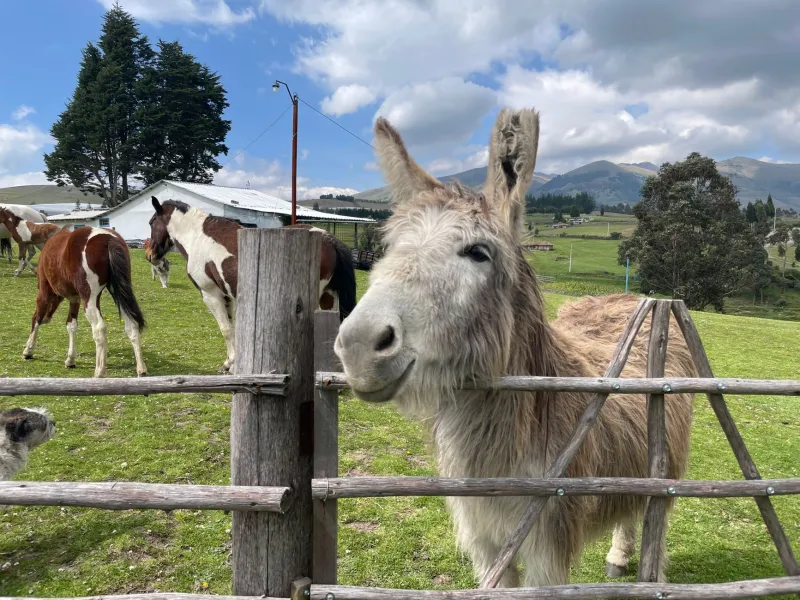
If you've ever watched your horses methodically graze one corner of a pasture into a muddy wasteland while the other end grows tall and weedy, you already understand the core problem rotational grazing is designed to solve. But here's the part most ranching guides skip: a well-planned rotational system doesn't just help your horses — it creates a noticeably better environment for your dogs, too.
Whether you're running a few acres in the Texas Hill Country or managing a mid-sized spread in the Pacific Northwest, the principles are the same. Rotate your animals through sections of pasture strategically, give the land time to recover, and you'll end up with healthier forage, cleaner ground, and a property that's genuinely easier to manage across both species.
Why Continuous Grazing Is Working Against You
Let's start with the problem. Horses are selective grazers, which sounds like a compliment but is actually a management headache. They'll repeatedly graze the same sweet spots down to the dirt while leaving rank, overgrown patches untouched. Over time, this creates what's called a "sacrifice zone" — compacted, nutrient-depleted soil that's slow to recover and quick to turn into a mud pit after rain.
For your horses, that means less quality forage and more time eating around weeds or standing in muck. For your dogs, it's worse in ways you might not have considered. Muddy, heavily trafficked areas become hotbeds for internal parasites, particularly strongyles and roundworms that cycle through manure and contaminated soil. Dogs that roam these zones can pick up parasites directly — either by sniffing around manure or by ingesting contaminated soil and vegetation.
Rotational grazing interrupts that cycle. When horses move off a section and the land sits fallow for several weeks, parasite larvae on the surface die off from UV exposure and drying. Your dogs, which tend to follow wherever you and your horses go, are exposed to significantly less contamination when the ground has had time to rest and recover.
The Basics of a Rotational System for Small to Mid-Sized Properties
You don't need hundreds of acres to make rotational grazing work. In fact, some of the most efficient systems run on properties as small as five to ten acres. Here's how to think about it:
Divide into paddocks. The standard recommendation is to split your available pasture into at least three to four paddocks. This gives you one section in active use, one or two recovering, and potentially one resting long-term. The more paddocks you create, the shorter the grazing period per section and the longer the rest periods — which is almost always better for forage recovery.
Follow the one-third rule. Horses should move off a paddock before they've grazed it below about three to four inches. Grazing below that point damages the root systems of desirable grasses and gives weeds an opportunity to take hold. When you see that threshold approaching, it's time to rotate.
Rest periods matter more than most people think. A paddock that's been grazed down needs a minimum of 30 days to recover in summer growing conditions — and up to 60 to 90 days in cooler months or drought. Rushing the rotation defeats the purpose entirely.
Fencing That Works for Both Horses and Dogs
Here's where the dual-species angle gets genuinely interesting. The fencing you choose for your rotational paddocks has a direct impact on how your dogs interact with the system — and not all fencing solutions work equally well for both animals.
Electric tape or rope fencing is popular for rotational systems because it's affordable and easy to reconfigure as your paddock layout evolves. The downside? Most dogs learn pretty quickly to duck under it or squeeze through gaps, especially if they're following a scent trail.
For a property where dogs roam freely, consider a hybrid approach: use electric tape for the interior paddock divisions that your dogs don't need to cross, and invest in more solid perimeter fencing — like a four- to five-foot woven wire or no-climb fence — around the outer boundary. This keeps your dogs working within the rotational system without constantly escaping into recovering paddocks and undoing your parasite management efforts.
Gates matter too. Spring-loaded latches and double-gate entry points make it easier to move horses between paddocks without accidentally letting a curious dog slip through at the wrong moment.
Soil Health Is the Foundation — for Both Species
Veterinarians and agronomists who work with multi-species properties consistently point to soil health as the underlying factor that ties everything together. Healthy soil grows better forage, drains more efficiently, and supports a more diverse microbial ecosystem that naturally suppresses some pathogens.
Rotational grazing supports soil health in a few key ways. Manure distribution becomes more even when horses aren't camping in the same spots day after day. Root systems of grasses have time to regenerate and deepen, which improves water infiltration and reduces runoff. And reduced compaction means better aeration — which, again, speeds up the die-off of parasite larvae on the surface.
If you really want to level up, consider running a soil test on each paddock once a year. Your local cooperative extension office can point you to affordable testing options, and the results will tell you exactly what amendments — lime, phosphorus, or other nutrients — each section needs. Horses grazing on mineral-balanced forage need fewer supplements, and that's a real cost savings over time.
What Your Dog Gets Out of the Deal
It might seem like rotational grazing is primarily a horse management strategy with incidental benefits for dogs, but the advantages for your canine companions are genuinely significant.
Clean, well-managed pasture means fewer mud baths (and fewer muddy paw prints through your house). It means lower parasite pressure, which translates to reduced vet costs and fewer deworming cycles. It also means more varied terrain for your dog to explore — recovering paddocks develop richer plant diversity, which is genuinely more stimulating for a working or ranch dog than a bare, trampled lot.
For dogs that spend time outdoors on your property, the difference between a well-managed rotational system and a neglected continuous-grazing setup can be significant from a health standpoint. It's one of those management decisions that quietly improves quality of life without requiring a major product purchase or a dramatic intervention.
Getting Started Without Overwhelming Yourself
If you're new to rotational grazing, the most common mistake is trying to build out a complex system all at once. Start simple: divide your current pasture into two sections with temporary fencing, rotate your horses between them, and observe what happens over one full growing season. That hands-on experience will teach you more than any guide can, and you'll have a much clearer sense of what a three- or four-paddock system should look like on your specific property.
The land will tell you what it needs — you just have to give it a chance to recover long enough to show you.


