Two Animals, One Wellness Playbook: Borrowing Health Strategies Across the Barn and the Back Porch
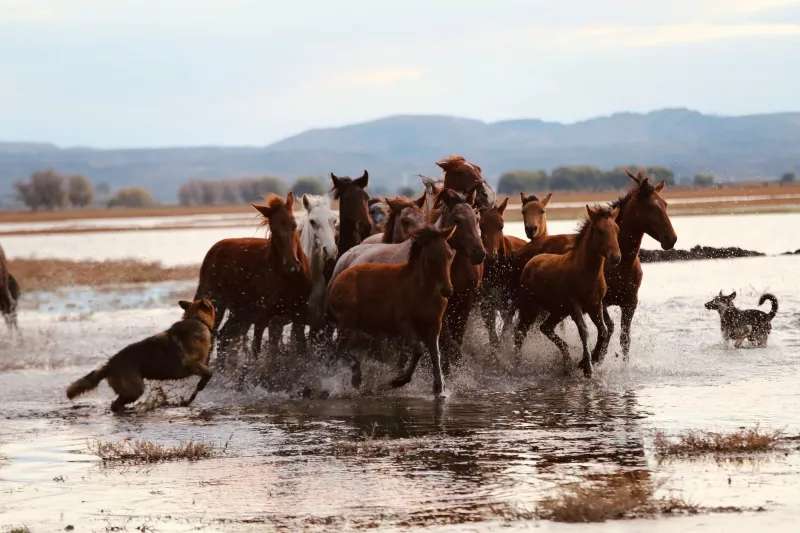
If you spend any real time managing the health of both a horse and a dog, you've probably had that moment. You're reading the label on your horse's glucosamine supplement, and it hits you: this sounds a lot like what my vet just recommended for the dog. You're not imagining things. The worlds of equine and canine wellness overlap more than most pet owners realize, and understanding where those overlaps exist—and where they fall apart—can genuinely change how you approach care for both animals.
Let's dig into the surprising cross-species lessons hiding in your everyday barn and back-porch routines.
Joint Care: The Supplement Overlap You Probably Already Noticed
Glucosamine and chondroitin are practically household words in horse country. These two compounds have been a staple of equine joint support for decades, especially in older horses or those in heavy work. What many horse owners are surprised to learn is that the science behind them translates directly to dogs—particularly large breeds and working dogs prone to hip dysplasia or early-onset arthritis.
Omega-3 fatty acids tell a similar story. Fish oil and flaxseed-based supplements are widely used in both equine and canine nutrition to reduce systemic inflammation. The mechanisms are essentially the same across species. That said, dosing is where things get very species-specific, very fast. A therapeutic omega-3 dose for a 1,200-pound quarter horse and a 60-pound Labrador are worlds apart, so never eyeball it—always check with your vet on appropriate amounts for each animal.
The takeaway here isn't to share products (please don't), but to recognize that if joint support is part of your horse's daily routine, your dog may benefit from a similar conversation with your veterinarian.
Muscle Recovery: What Equine Sports Medicine Knows That Dog Owners Are Just Catching Up On
Horse owners who compete or trail ride heavily tend to be fairly sophisticated about muscle recovery. Cold hosing, liniment rubs, controlled rest periods after intense work, and even massage therapy are all standard tools in the equine performance world. Dog owners, especially those with working breeds or agility competitors, are increasingly borrowing from this playbook—and for good reason.
Post-exercise recovery matters just as much for a border collie running an agility course as it does for a barrel horse. Controlled cool-down periods, light movement after strenuous activity (rather than complete rest), and attention to hydration are practices that cross species lines cleanly. Canine massage therapy and even low-level laser therapy—both long used in equine sports medicine—are now showing up in progressive veterinary clinics for dogs.
If you're already thoughtful about your horse's recovery window after a hard ride, apply that same mindset to your dog after a long hike or an intense training session. The body's need to process exertion doesn't look that different when you zoom out to the cellular level.
Stress and Behavioral Wellness: Lessons That Go Both Ways
Here's where the learning gets a little more bidirectional. Dog behavior science has actually outpaced equine behavioral research in some meaningful ways. The widespread adoption of positive reinforcement training, desensitization protocols, and anxiety-reduction strategies in the dog world has been gradually influencing how trainers and owners work with horses.
Conversely, horse owners have long understood the value of environmental enrichment and the role that social structure plays in animal stress. Horses kept in isolation show measurable stress responses. That insight maps directly onto dogs—social animals who suffer real behavioral and physiological consequences from prolonged isolation or inadequate mental stimulation.
Adaptogen-based calming supplements (think ashwagandha and valerian) appear in both equine and canine product lines. Whether they're a fit for your specific animal is a conversation for your vet, but the underlying philosophy—addressing stress systemically rather than just behaviorally—is one both worlds have embraced.
Preventative Screening: Horses Have Been Ahead of the Curve
Anyone who owns a horse knows that twice-yearly vet checks, regular dental floats, and pre-purchase exams are just part of the deal. This culture of proactive, preventative screening is deeply embedded in equine ownership in a way that hasn't always carried over to dog ownership.
Many dog owners still operate on a "if it ain't broke" model, skipping annual bloodwork or delaying dental cleanings until there's an obvious problem. Horse owners can model something better here. Routine senior bloodwork panels, annual dental evaluations, and baseline health screenings catch problems early—in horses and in dogs.
If you're already scheduling your horse's spring and fall vet visits like clockwork, ask yourself whether your dog is getting that same level of consistent attention. The cost of preventative care almost always beats the cost of treating a condition that's been quietly progressing undetected.
Where the Parallel Breaks Down (And It Really Does)
For all the overlap, there are places where cross-species thinking can genuinely get you into trouble.
Medications are the big one. Many common equine pain medications—phenylbutazone (bute) being the most obvious—are toxic to dogs. Similarly, certain canine flea and tick preventatives contain compounds that are dangerous to horses. Never assume that because something is safe for one it's safe for the other.
Dietary philosophy is another area where the species diverge sharply. Horses are hindgut fermenters with a constant-grazing digestive system. Dogs are omnivores with a very different metabolic profile. Translating feeding strategies between the two without expert guidance is a recipe for problems.
And while both animals benefit from physical conditioning, the structure of appropriate exercise programs differs significantly. A horse needs progressive conditioning over months to build cardiovascular fitness safely. A young dog can ramp up activity much more quickly—though that comes with its own set of joint and growth-plate considerations in large breeds.
The Bottom Line for Multi-Species Households
Owning both a horse and a dog puts you in a unique position. You're essentially managing two sophisticated wellness ecosystems simultaneously, and the experience you gain in one often sharpens your instincts in the other. The key is knowing when to apply those cross-species insights and when to treat each animal as the distinct biological creature it is.
The smartest approach? Build relationships with both an equine vet and a small animal vet who respect each other's fields. Stay curious about what the research in both worlds is saying. And when you're standing in the barn reaching for that joint supplement, don't be surprised if your dog's wellness routine starts looking a little more intentional too.
Both animals are counting on you to pay attention—and at Hoof & Hound, we think that's one of the best parts of this whole multi-species life.

